NYC Democratic Primary Voting Guide
Vote for the candidates who will fight for you. Make an informed decision in the NYC mayoral democratic primary based on issues, not name recognition.
Everything to Know About the New York Mayoral Race
When is the election? Why is this race important? Who are the candidates?
Important Dates
Last day to register to vote in the primary election.
Vote early at designated polling locations across the city.
Polls open 6am to 9pm. This is your last chance to vote!
Why This Election Matters
The next mayor of New York City will face unprecedented challenges: ensuring affordable housing, fighting for working class families, improving healthcare access and making sure our city is safe from the attacks of Donald Trump on working class citizens and people of color.
With Andrew Cuomo entering the race, he aims to use his name recognition and position as former governor to hijack. After Eric Adams' tumultuous tenure and partnership with Donald Trump, New York City needs a mayor who will fiercely protect working class citizens, immigrants, and communities of color.
A mayor who will fight for their people, not only for themselves and their rich friends. The next mayor must be willing to stand up to Trump's attacks on our city and fight for policies that prioritize the needs of everyday New Yorkers over corporate interests. It's more important than ever to understand where candidates stand on the issues that matter most to New Yorkers or we risk losing our city to the wealthy elite.
This election uses ranked choice voting, giving you the power to vote for, up to 5, candidates in order of preference. This is a great way to ensure that your vote counts and that your voice is heard. Fight for the New York City you deserve.
The ABC Approach
Anyone But Cuomo is more than a slogan—it's a strategy for ensuring that a working class candidate who represents the interests of working New Yorkers wins this election. Not someone who looks out for their rich friends and corporate donors and not someone who sexually harassed, discriminated against, and bullied, the very people he's supposed to protect.
There is a valid fear that Andrew Cuomo would not adequately protect working class New Yorkers. As governor, Cuomo consistently sided with real estate developers over tenants,cut funding for public education, and implemented policies that benefited wealthy donors at the expense of working families. His record shows he prioritizes corporate interests and political connections over the needs of everyday New Yorkers, making him ill-suited to lead our city during these challenging times.
Politics is difficult and it's hard to know who to trust. By focusing on issues rather than personalities, we aim to help voters make informed choices about which candidates truly align with their values.
Our guide highlights every candidate running for NYC mayor. It details each of their stances on key issues affecting the working class. All here in one place so you can more easily see which candidates have demonstrated their commitment to fighting for you. It's time politicans work for us, not the other way around.
Featured Candidates
See all →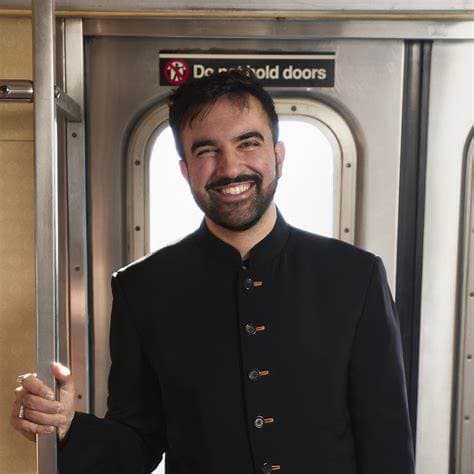
Zohran Mamdani
Zohran Mamdani is a current New York State Assembly member representing Astoria. Before being elected to office, he work...
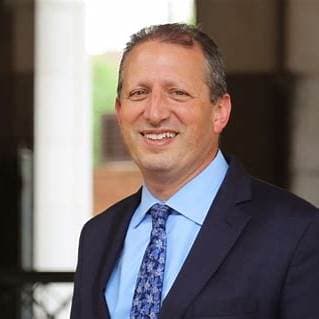
Brad Lander
Brad Lander is the New York City Comptroller, previously serving as a City Council member representing Brooklyn. With a ...
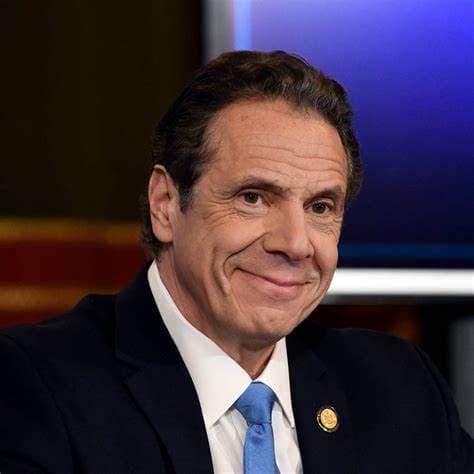
Andrew Cuomo
Andrew Cuomo is the former Governor of New York who served from 2011 to 2021. Prior to his resignation, he was known for...
Key Issues
Compare candidate positions on important issues. What is most important to you and who are the candidates fighting for you?
Affordable Housing
Policies to address the housing crisis, rent control, and tenant protections.
Working Class Economics
Policies on wages, worker protections, and economic development.
Public Safety & Policing
Approaches to public safety, police reform, and criminal justice.
Healthcare
Approaches to healthcare access, public health, and medical services.
Public Transportation
Plans for improving public transit, bike lanes, and pedestrian infrastructure.
Education
Policies on public schools, higher education, and educational equity.
Climate Justice
Plans to address climate change, reduce emissions, and create green jobs.